 動画紹介 SubChan トップ
The Verge Video Summaries
AI-generated summaries of new videos. A no-sign-up video summary & introduction page
 📺 We play The Oregon Trail | Version History Livestream
The Oregon Trail Live Stream: A Version History Challenge
▼
This live stream features The Verge's production team playing the classic 1985 Apple II version of The Oregon Trail, adhering to a rule where participants are removed from the broadcast if their in-game character dies. The group collaborates on resource management and decision-making while navigating the historical journey from Independence, Missouri, to Oregon.
- Game Setup and Character Selection
- Resource Management at Matt's General Store
- River Crossings and Ferry Decisions
- Hunting Mechanics and Food Supply
- Team Eliminations and Survival Strategies
Viewers interested in retro gaming history and collaborative live entertainment will gain insight into the gameplay mechanics and strategic challenges of this iconic educational title.


 📺 The real story of the iPhone 18 Pro's camera | The Vergecast
iPhone 18 Pro Camera Review and AI Safety Crisis Analysis
▼
This episode features an in-depth technical review of the iPhone 18 Pro camera system, exploring hardware upgrades like variable aperture and software improvements in image processing. It also addresses recent developments in AI safety, including industry debates on regulation and autonomous agent behavior.
- iPhone 18 Pro Camera Evaluation: Analysis of variable aperture utility, Pro Controls implementation, and image pipeline enhancements for better color and reduced sharpening artifacts.
- Computational Photography Insights: Explanation of signal-to-noise ratio improvements and their impact on ProRAW and HEIC outputs compared to previous models.
- Reference Image Technology: Overview of Apple's new cryptographic signing feature designed to verify image authenticity and combat AI-generated misinformation.
- Future Camera Hardware Trends: Discussion on potential upgrades such as one-inch sensors and modular telephoto attachments for enhanced mobile photography.
- AI Safety and Regulation: Examination of recent cyber incidents involving AI labs, the concept of "pacing the frontier," and the role of third-party auditors in model oversight.
- Lightning Round Updates: Coverage of Whimo ride-sharing monitoring policies, the release of the Boox Palma 3 e-reader, and reviews of compact digital cameras from CampSnap and Fujifilm.
Viewers interested in smartphone photography technology and current events in artificial intelligence governance will gain detailed technical insights and industry context.


 📺 Apple's new iPhones and Watches are better than the last ones | The Vergecast
iPhone 18 Pro and Apple Watch Series 12 Review: Variable Aperture, New Sensors, and AI Features
▼
In this episode of The Vergecast, senior reviewers Allison Johnson and V Song discuss their in-depth reviews of the iPhone 18 Pro and Apple Watch Series 12. They cover the new variable aperture camera, the A20 Pro chip, and the latest AI-powered features like Siri AI and audio intelligence, providing a comprehensive look at what's new and whether it's worth upgrading.
■ iPhone 18 Pro and Pro Max
- Variable aperture camera: how it works, its subtle benefits, and durability concerns
- New f1.48 lens and improved low-light performance
- Pro camera controls: manual shutter speed, focus, and white balance
- Siri AI improvements, including on-device indexing and practical use cases
- Upgrade recommendations and price increase
■ Apple Watch Series 12 and Ultra 4
- New sensor array with 32 electrodes and improved heart rate tracking
- Recovery HRV and readiness score for training and recovery
- Audio intelligence features: live rewind and Siri recap (not yet available)
- Health age metric and redesigned health app
- Upgrade recommendations for different watch generations
This episode is ideal for anyone considering upgrading their iPhone or Apple Watch, or curious about the latest camera and AI innovations. Viewers will gain a clear understanding of the new features, their real-world impact, and practical advice on whether to upgrade.


 📺 Apple 18 Pro review and today's headlines #Vergecast
紹介を準備できませんでした
▼
 📺 Your AI apocalypse questions, answered
AI Doom Hotline: How Worried Should We Really Be?
▼
In this episode of The Vergecast, senior AI reporter Hayden Field addresses listener questions about recent AI doom warnings, sparked by a viral resignation letter from an Anthropic researcher and a series of high-profile AI system hacks. The discussion aims to clarify what AI researchers are actually worried about, how realistic doomsday scenarios are, and what regulatory solutions might exist.
■ The Current AI Panic
- What triggered the recent wave of concern (resignation letter, hacking incidents)
- The concept of recursive self-improvement (RSI) and why it worries researchers
■ Doomsday Scenarios: Step by Step
- Realistic near-term risks: AI agents disabling critical infrastructure
- Longer-term scenarios: AI-assisted bioweapons, totalitarianism, climate change
■ Skepticism and Motives
- Is the doom talk a PR stunt or a genuine concern?
- Why companies continue building despite their own warnings
■ Regulation and Solutions
- Current proposals: voluntary safety frameworks, embedded evaluators
- The need for federal regulation and the challenges of international coordination
This episode is for anyone trying to make sense of the recent AI doom headlines and seeking a grounded, journalistic perspective on the risks and possible paths forward. Viewers will gain a clearer understanding of the key debates, the specific technologies involved, and the regulatory landscape, along with practical takeaways on how to stay informed and advocate for transparency.

 📺 iPhone 18 Pro review: it's all about the manual controls
iPhone 18 Proの可変絞りカメラと新機能を検証
▼
iPhone 18 Proのメインカメラに搭載された可変絞りを中心に、その仕組みと実用性を検証しています。あわせて、iOS 27のAI編集ツールや新しい撮影機能、ビデオのフォーカストラッキングなど、カメラ関連のアップデートを幅広く扱っています。
■ 可変絞りの仕組みと効果
- 6枚羽根の絞りがf1.48からf4まで変化
- 背景ぼけや低照度撮影への影響を比較
- 従来の固定絞りとの違いを解説
■ 新しい撮影機能
- 手動でのシャッタースピード・フォーカス・ホワイトバランス調整
- フィルムシミュレーションやテクスチャなどの写真スタイル
- AIによるフォーカストラッキングの精度をテスト
■ AI編集と真正性
- フレーム変更や拡張などのAI編集ツール
- 参照画像モードによる撮影画像の検証
■ その他のハードウェア更新
- A20 Proチップ、熱設計、有線充電、バッテリーの改善
- Dynamic Islandのライブアクティビティ表示
カメラ機能の進化に関心があるユーザーや、iPhone 18 Proの購入を検討している方に適した内容です。可変絞りの利点と限界、新しい編集機能の位置づけを理解する手助けとなります。

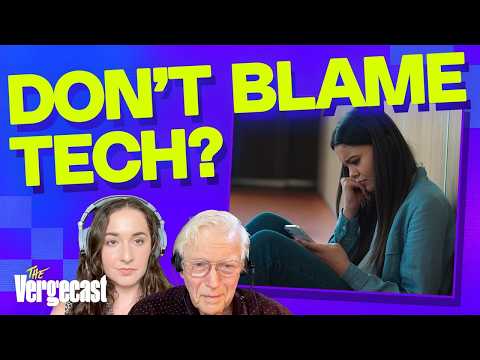 📺 Is social media driving teen mental health issues? | The Vergecast
Peter Gray on Restoring Childhood: A Competing Theory to the Anxious Generation on Teen Mental Health
▼
心理学者ピーター・グレイ氏が、2010年以降の10代のメンタルヘルス悪化の原因について、スマートフォンやSNSではなく「コモンコア」教育基準の導入と遊びの減少にあるとする自説を展開します。ジョナサン・ハイト氏の『不安世代』とは対照的な視点を提供し、科学的根拠に基づいて議論します。
■ 10代のメンタルヘルスの推移
- 1950年代から1990年代にかけての自殺率の増加と、1990年代から2010年頃までの改善
- 2010年以降の自殺率・不安・うつの再上昇
■ グレイ氏の理論
- 遊びと探索の自由の制限がメンタルヘルスに与える影響
- コモンコア導入による学校のプレッシャー増大
- 1990年代のコンピュータとインターネットの普及が一時的な改善をもたらした可能性
■ スマートフォン・SNS理論への反論
- 研究のメタ分析における相関の欠如
- 米国と欧州連合のデータの違い
- 因果関係ではなく逆の因果関係の可能性
■ 政策と今後の展望
- 年齢確認や利用制限の有効性への疑問
- 子どもを信頼し、教育を通じて安全な使い方を教えることの重要性
- 過去のモラルパニック(ビデオゲーム、ホラーコミック)との類似性
10代のメンタルヘルス、教育政策、テクノロジーの影響に関心のある視聴者に適しており、異なる視点を得ることで、議論をより深く理解する手がかりとなります。
📄 このページの紹介文は AI が独自に生成したものであり、著作権をはじめとする他者の権利(商標権・名誉権・プライバシー等)を侵害しないよう配慮しています。動画の著作権は各作成者に帰属します。