 📺 Stevenson Says Fed Is Waiting to See Economy Slow
Federal Reserve Interest Rate Decision: Policy Rationale, Inflation Pressures, and Midterm Election Impact
▼
This discussion examines the Federal Reserve's 10–2 vote to hold interest rates steady and analyzes why policymakers chose to wait rather than raise rates immediately. An economic expert explains how supply shocks, the AI investment boom, household consumption patterns, and upcoming midterm elections all factor into the Fed's decision-making process.
■ Why the Fed Held Rates Steady
- The vote outcome and the debate over the decision
- Reasons for waiting versus raising rates now
- Labor market conditions and economic momentum
- The timeline for a possible future rate increase
■ Effectiveness of Rate Hikes Against Inflation
- Energy supply shocks from the Middle East and the Ukraine-Russia war
- Whether the AI investment boom is responsive to interest rates
- How higher rates reduce demand and raise borrowing costs
■ Household Consumption and Financial Behavior
- Resilient consumer spending despite rising prices
- Declining savings rates and increased household borrowing
- Pressure from a tight job market combined with high rates
■ Elections and Fiscal Policy Outlook
- How election uncertainty influences the Fed's wait-and-see approach
- The interaction between government spending and Fed policy
- How fiscal direction may affect the required peak interest rate
Those interested in monetary policy, inflation dynamics, or the economic implications of U.S. election outcomes will gain a structured understanding of the Fed's current stance and the factors shaping future rate decisions.
このチャンネルのほかの紹介

Balance of Power: Fed Holds Rates, Big Tech Earnings, and Midterm Battlegrounds
Bloomberg's Balance of Power delivers a live wrap-up of the day's major political and economic developments fr…

Interview with a U.S. Representative on Energy Prices, Budget Reconciliation, DOGE, and Republican Leadership
A U.S. House Republican representative joins host Kylie for a wide-ranging discussion just days before the mid…
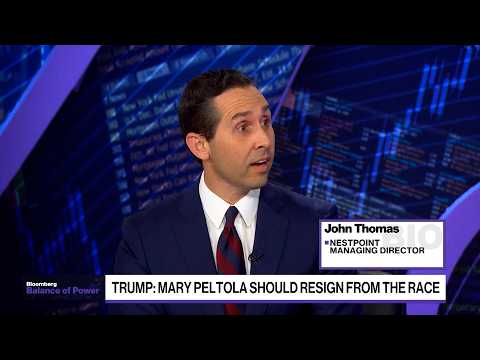
U.S. Midterm Races: Polling Gaps, Trump Campaign Visits, and Key State Contests Explained
A political commentator analyzes the state of several tight U.S. midterm races, discussing how internal party …
この動画を紹介した Bloomberg Television の最新動画も、紹介付きで読めます。
いつも見ているチャンネルも、同じように紹介できます。
いつも見ているチャンネルを追加する📄 このページの紹介文は AI が独自に生成したものであり、著作権をはじめとする他者の権利(商標権・名誉権・プライバシー等)を侵害しないよう配慮しています。動画の著作権は各作成者に帰属します。