 📺 How Arab parties could decide Israel's election and Netanyahu's fate | Global News Podcast
BBC Global News Podcast: Arab Parties as Kingmakers in Israel's Deadlocked Election
▼
This episode of the BBC World Service's Global News podcast examines the outcome of the Israeli general election, in which neither Benjamin Netanyahu's coalition nor the opposition led by Gaddy Eisenkot reached the 61 seats needed for a majority. It explores how Arab parties could decide the shape of the next government, why Arab-Israeli turnout was unusually high, and what conditions those parties attach to any alliance.
■ Arab Parties and the Coalition Arithmetic
- Diplomatic correspondent reporting from Jerusalem on whether an opposition-Arab bloc alliance could secure a majority
- Obstacles facing such a cooperation, including stated refusals by several Jewish parties and the legacy of October 7th
- Precedents for Arab support of an Israeli government and the questions Arab parties would ask
■ Arab-Israeli Voters and Their Political Demands
- Who Arab-Israelis are and how they identify themselves
- Reasons cited for the high turnout, including restrictions on Arab institutions, crime concerns and house demolitions
- Conditions set by an Arab party candidate regarding equality, discrimination and the occupation
■ The Four Arab Parties
- The Joint List and the separate United Arab List led by Mansur Abbas
- Differing approaches to supporting a government from the outside
- Positions within the Netanyahu bloc and the opposition, and where negotiations currently stand
This episode is suited to listeners following Middle Eastern politics or election coverage who want a clear overview of the players, the numbers and the stakes. It offers context on how a sizeable minority can influence government formation and on the debates shaping Israeli political discourse.
このチャンネルのほかの紹介

Residential Cruise Ship Odyssey Stranded as Passengers Evacuated After Financial Distress
The Villa Vie Odyssey promised residents a life of perpetual travel aboard a floating home, but the venture ha…

Miami's Latino Voters and the Tension Between Trump's Immigration Crackdown and Cuba Policy
This episode of BBC's The Global Story examines how Latino voters in South Florida's 27th congressional distri…
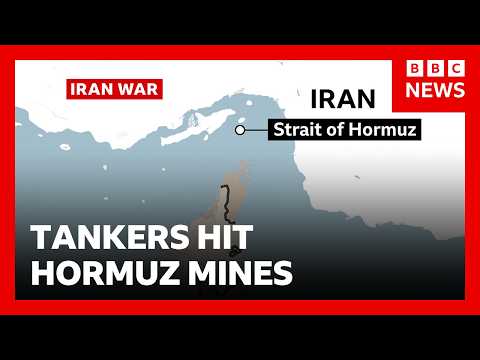
The Iran War Today: Key Developments Across the Strait, Diplomacy, and Elections
A daily news briefing covering the latest developments in the US-Iran conflict, from maritime security in the …
この動画を紹介した BBC News の最新動画も、紹介付きで読めます。
いつも見ているチャンネルも、同じように紹介できます。
いつも見ているチャンネルを追加する📄 このページの紹介文は AI が独自に生成したものであり、著作権をはじめとする他者の権利(商標権・名誉権・プライバシー等)を侵害しないよう配慮しています。動画の著作権は各作成者に帰属します。